Online

 Home
Home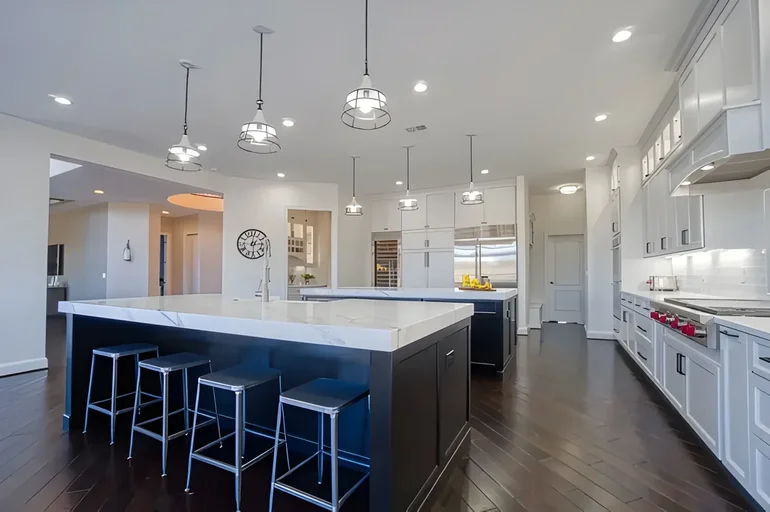

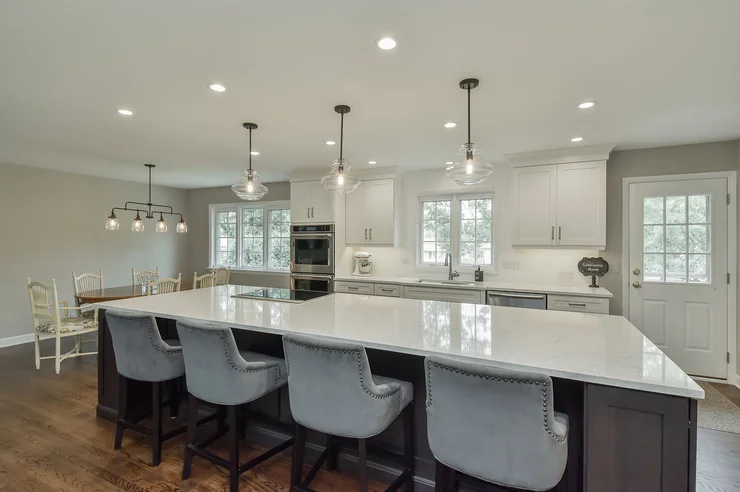
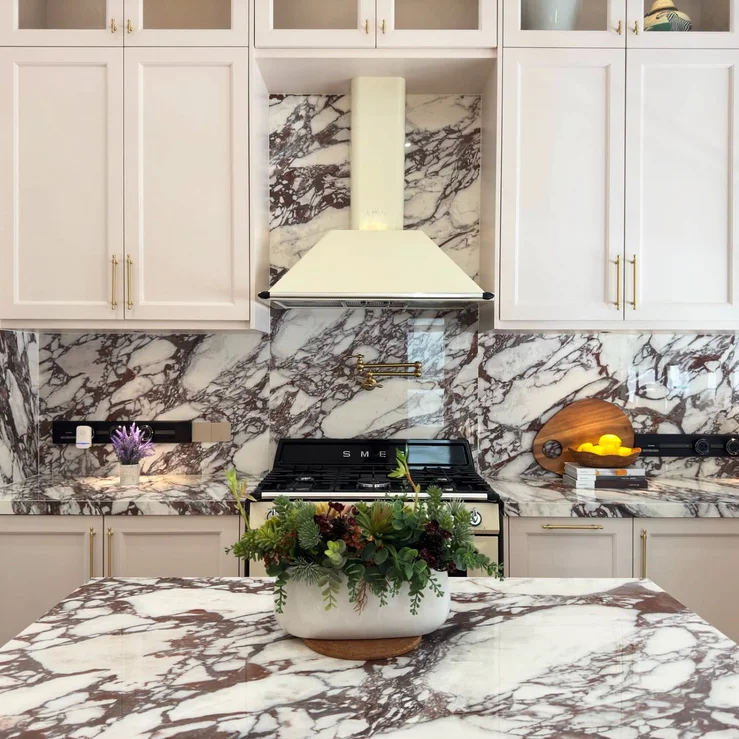
A kitchen should do more than look attractive in photos. It should support how you cook, move, gather, clean, and live every day. When the design is right, the room feels easier to use almost immediately. Prep becomes more comfortable. Storage makes more sense. Traffic flow improves. The kitchen starts to work with your routine instead of against it.
That is why many homeowners begin with kitchen design before making larger renovation decisions. A clear design plan brings structure to the entire project. It helps define what needs to change, what should stay, and how the finished kitchen should function once everything comes together. In many cases, good design is what separates a kitchen that looks updated from one that truly feels improved.
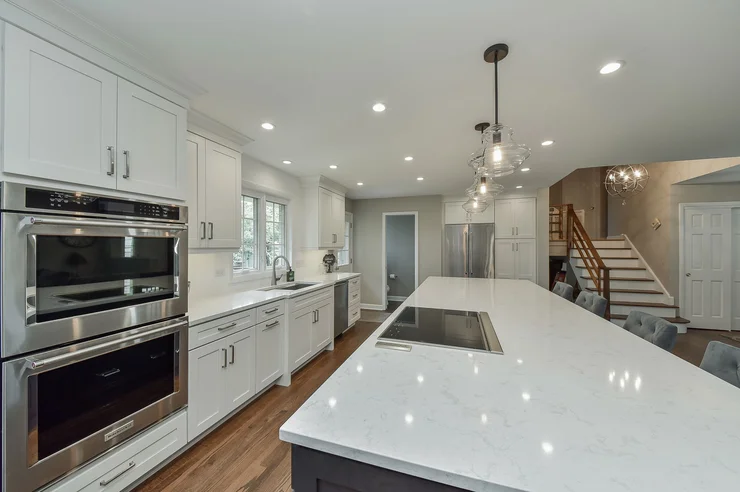
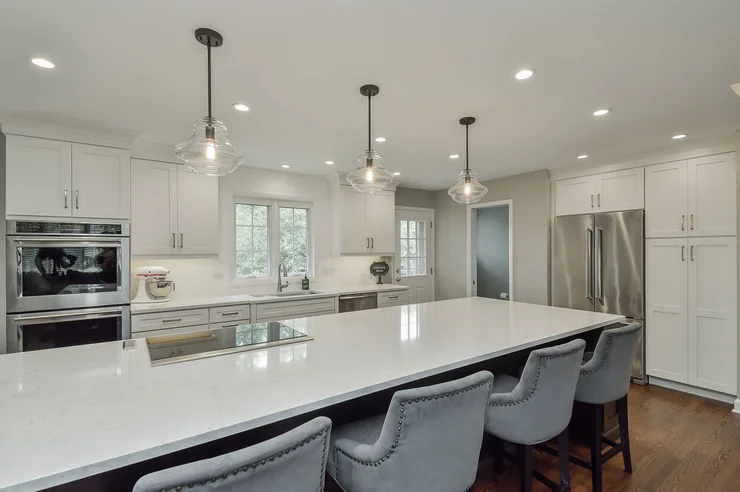
Kitchen design services in San Jose can help homeowners think through layout, storage, lighting, surface choices, and overall room flow before construction starts. That planning stage matters because kitchens are complex spaces. They combine visual design with daily use, and both sides need attention. A kitchen that looks polished but feel awkward to use will never feel completely comfortable. A kitchen that functions well but lacks cohesion may still feel unfinished.
The strongest kitchen design starts with understanding real habits inside the home. It looks at who uses the space, how often meals are prepared, where clutter tends to build, and which frustrations come up again and again. From there, design choices become more focused, more practical, and more valuable in the long run.
Good Kitchen Design Starts before Materials Are Chosen
One of the most common mistakes homeowners make is starting with color palettes, cabinet styles, or countertop samples before they have worked through the bigger planning questions. Those finish decisions matter, but they should come after the overall design direction is clear.
A smart kitchen design process often begins with questions like these:
- What feels hardest about the current kitchen?
- Where does the layout interrupt daily routines?
- Is there enough usable prep space?
- Are storage problems caused by lack of space or poor organization?
- Does the kitchen feel too closed off, too exposed, or hard to move through?
- Which parts of the room are underused?
- How should the kitchen connect with nearby spaces?
These questions help identify the design priorities that matter most. In some homes, the answer is better organization. In others, it is circulation, light, or a new relationship between the kitchen and living areas. Design should not begin with trends. It should begin with how the room needs to perform.
A Design-led Kitchen Project Creates Better Decisions Later
Kitchen design is not just about making the room beautiful. It also reduces guesswork. When the design is handled carefully up front, homeowners can make later decisions with more confidence because the project already has a clear direction.
A stronger design plan can help with:
- Defining a more practical layout
- Avoiding wasted space
- Clarifying cabinet and storage needs
- Supporting better appliance placement
- Planning lighting more intentionally
- Creating a more cohesive visual finish
- Reducing disconnected design choices later on
This is the reason kitchen design services are valuable even before a full remodel begins. A thoughtful plan can reveal whether the room needs a few focused changes or a more complete transformation.
Storage Design Should Solve Clutter at the Source
Many kitchens feel crowded not because they are too small, but because the storage is not working well. Cabinets may be deep but inefficient. Everyday items may end up scattered across countertops.
Kitchen design services in San Jose should go beyond general cabinet planning and think in more specific terms. Good storage design takes daily habits seriously.
That may include planning for:
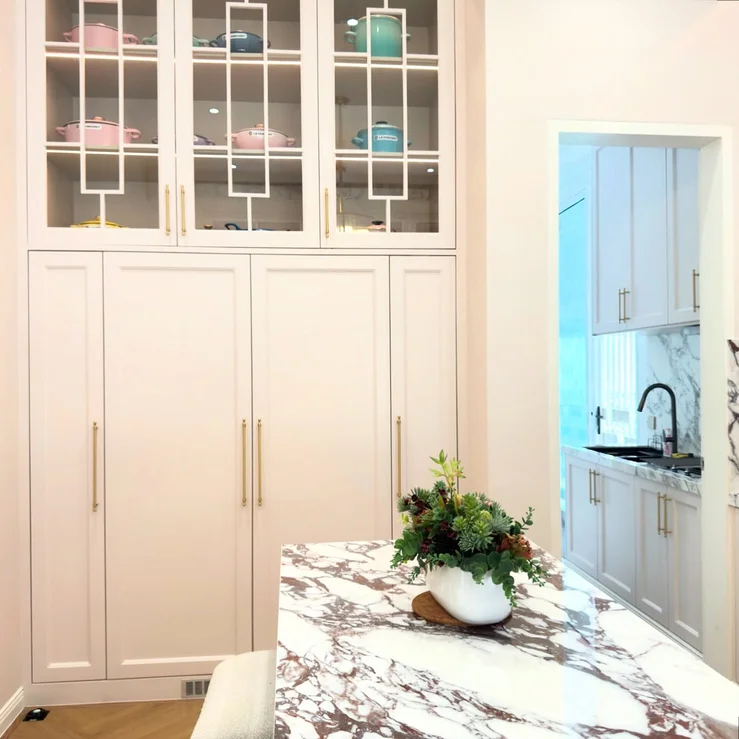
- Pots and pans near the cooking zone
- Dishware closer to cleanup areas
- Pantry storage that is easier to reach
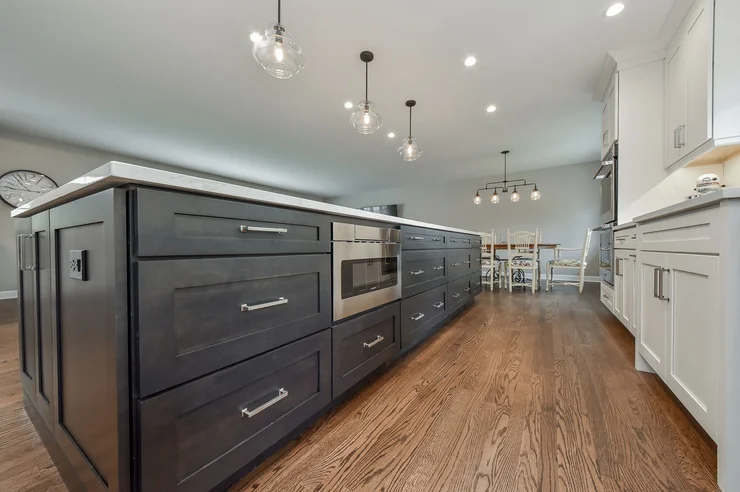
- Drawers that replace awkward lower cabinets
- Small appliance storage that reduces visual clutter
- Better use of vertical space
- Storage that supports how the household actually cooks
These kinds of decisions often have more impact than homeowners expect. Once the kitchen is in daily use, smart storage tends to be one of the features people appreciate most.
Function-Driven Kitchen Design
Not every household uses the kitchen in the same way. Some kitchens are primarily workspaces for daily cooking. Others serve as gathering places, homework zones, entertaining areas, or a mix of everything at once.
That is why design should be tailored to the household rather than based on a generic model. A family that cooks often may prioritize:
- More prep surfaces
- Easy-to-access storage
- Strong task lighting
- Durable finishes
- Better appliance flow
A household that entertains more may care more about:
- Seating integration
- Visual openness
- A stronger connection to living areas
- A more social island or peninsula layout
A smaller household may want the room to feel cleaner, simpler, and easier to maintain. Good kitchen design in San Jose should reflect those differences instead of treating every project the same way.
The Best Kitchens Balance Openness with Definition
Many homeowners want a more open kitchen, but openness should be used thoughtfully. Removing separation is not always the same as improving flow. In some homes, too much openness can reduce storage, weaken room definition, or make the kitchen feel less functional.
A well-designed kitchen often works best when it feels connected without becoming undefined. That may mean:
- Opening sightlines without removing every boundary
- Creating visual connection to nearby rooms
- Using islands or peninsulas to define zones
- Preserving enough wall space for cabinetry and function
- Balancing social use with practical work areas
Design should help the kitchen feel more natural within the home. In some cases, that means opening the room more. In others, it means refining what is already there rather than fully reworking it.
Lighting as a Core Design Element
Lighting decisions have a major effect on how a kitchen looks and functions. Yet many older kitchens rely on a single ceiling fixture or lighting that leaves key areas dim. Design planning should treat lighting as part of the room’s structure, not just a decorative finish.
A complete lighting plan usually considers three layers:
- First, general lighting helps the room feel evenly lit overall.
- Second, task lighting supports prep, cooking, and cleanup.
- Third, accent lighting adds warmth and visual depth.
When those layers work together, the kitchen feels more comfortable throughout the day and evening. Lighting can also help define zones, highlight materials, and make the kitchen feel more finished overall.
Choosing Surfaces and Finishes with Purpose
Once the layout and design priorities are clear, finish choices become easier. Cabinet style, countertops, backsplash materials, flooring, hardware, and color direction should all reinforce the same overall concept.
The goal is not to select every feature in isolation. It is to build a kitchen that feels visually connected from one end of the room to the other.
That often means thinking about:
- Whether the kitchen should feel warm, crisp, classic, or more contemporary
- How cabinet color affects light and visual weight
- Which materials are easiest to maintain for the household
- How flooring ties the kitchen to nearby rooms
- Whether the backsplash is meant to blend in or add emphasis
- How hardware and fixtures support the design language
A well-designed kitchen usually feels calm because the choices relate to each other. Nothing looks random, overly busy, or disconnected.
Online repair cost calculation in San Jose

Maximizing the Potential of Small Kitchens
A kitchen does not need to be large to work well. In fact, smaller kitchens often benefit the most from smart design because every decision carries more weight. Better organization, better flow, and more intentional layout use can make a modest space feel far more functional.
In smaller kitchens, design may focus on:
- Reducing visual clutter
- Improving cabinet efficiency
- Making prep areas more usable
- Bringing in more light where possible
- Choosing finishes that help the room feel open
- Avoiding bulky elements that interrupt circulation
When the room is limited in size, design has to work harder. That often leads to more thoughtful solutions and a stronger overall result.
Integrating Kitchen Design with the Rest of the Home
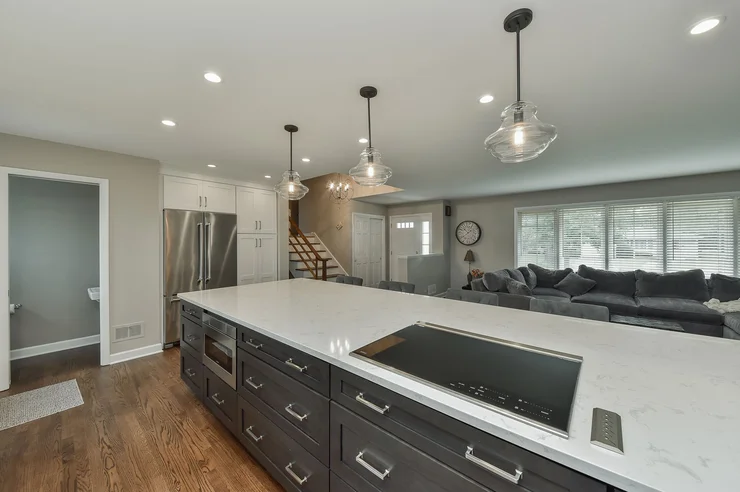
A kitchen should not feel isolated from the home around it. Even when it has a distinct identity, it should still relate to nearby spaces in a natural way. That is especially important in homes where the kitchen opens into dining or living areas.
A thoughtful design plan considers:
- How the kitchen transitions into neighboring rooms
- Whether colors and materials feel connected
- How sightlines work across shared spaces
- Whether the style feels too separate from the rest of the house
- How the kitchen contributes to the overall atmosphere of the home
This kind of continuity is often what makes a renovation feel polished. The kitchen may be the centerpiece, but it still needs to belong to the whole house.
Design Challenges That Can Get in the Way of a Better Kitchen
A well-designed kitchen does not happen by accident. Many homeowners begin with a general idea of what they want, but the process can become harder once real decisions need to be made. Limited space, poor layout flow, not enough storage, and uncertainty about materials can all make planning more complicated. Some struggle to balance style with function, while others are unsure which upgrades will actually improve daily use. It can also be difficult to decide what should stay, what should change, and how the kitchen should connect to nearby rooms. That is why a clear design plan matters. It helps organize priorities, reduce confusion, and turn scattered ideas into a kitchen that feels cohesive, practical, and comfortable to use every day.
The Value of Thoughtful Kitchen Planning
The best kitchens are not built around isolated upgrades. They are built around a clear idea of how the room should function and feel. Kitchen design services in San Jose can help define that vision before the work begins, which often leads to better results at every stage.
A thoughtful kitchen design can help you:
- Make better use of the space you already have
- Improve organization and flow
- Create a more comfortable daily routine
- Build a more cohesive visual direction
- Plan future remodeling decisions with more clarity
If your current kitchen feels disjointed, outdated, inefficient, or simply harder to use than it should be, design is often the right place to start. With a stronger plan in place, the kitchen can become easier to live in, easier to enjoy, and more naturally connected to the way your home really works. This is the point when you should consider cooperating with expert kitchen designers in San Jose.
Good design guidance makes it easier to understand what changes your space needs exactly and how to shape it with purpose. Request a consultation with us to know how to start your kitchen transformation.
FAQ
What do kitchen design services usually include?
They often include layout planning, storage strategy, material direction, lighting ideas, and guidance on how the kitchen should function and flow.
Do I need kitchen design services before a remodel?
Not always, but design planning can make the remodel more organized and help avoid layout or selection mistakes later.
How do I know whether my current kitchen layout is worth keeping?
If the layout creates daily frustration, limits movement, or makes storage and prep less efficient, it may be worth redesigning instead of simply updating finishes.
Is kitchen design only about how the room looks?
No. Good kitchen design also focuses on movement, comfort, storage, lighting, and how the room supports daily routines.
Should I choose materials before the layout is finalized?
Usually no. It is better to establish the layout and design priorities first so material decisions support the overall plan.
Can kitchen design help if I am not ready for full construction yet?
Yes. A design plan can help you understand your options and prepare for future remodeling work with more confidence.